A Brief History of the Vibrator and Women’s Pleasure

The history of the vibrator is inseparable from the history of women’s bodies, medicine, and social control. Long before vibrators were openly marketed as tools for pleasure, they existed within medical, cultural, and moral frameworks that shaped how women’s sexuality was understood — and often misunderstood.
In the 19th and early 20th centuries, women’s sexual responses were routinely pathologized under broad diagnoses such as hysteria, a term used to describe everything from anxiety and irritability to sexual desire itself. Medical practitioners believed that certain physical interventions could alleviate these symptoms, laying the groundwork for mechanical devices that would later be recognized as vibrators. What was framed as treatment, however, was deeply influenced by gendered assumptions about whose pleasure was acceptable and under what conditions.
Tracing the evolution of the vibrator from medical apparatus to modern pleasure devices offers more than a technological timeline. It reveals how scientific authority, cultural norms, and feminist resistance intersected over time. By examining this history, we can better understand how women’s pleasure moved from something managed by institutions to something increasingly claimed as a form of autonomy, self-knowledge, and empowerment.
“Hysteria,” Medicine, and the Rise of Vibration
In ancient medicine — and into the modern era — hysteria was a catch-all diagnosis applied almost exclusively to women. Rooted in the Greek word hystera (uterus), it was blamed for everything from anxiety and irritability to mood swings and insomnia. In classical theories, a “wandering womb” was believed to cause all sorts of ailments, and treatments ranged from marriage and childbirth to scented oils and sexual activity.
By the 19th century, Western medicine was eager to categorize women’s health in ways that often reflected male anxieties more than empirical evidence. Doctors at the time believed that external genital stimulation could relieve symptoms — then dubbed “hysterical paroxysm” — which we now understand as orgasm.
When electricity entered the scene, health practitioners and inventors began experimenting with mechanical devices. Large, unwieldy vibrating massagers emerged in the late 1800s as electrically powered tools for general massage, including relief of muscle fatigue, neuralgia, and, according to some historians, female hysteria.
British physician Joseph Mortimer Granville, often credited as the inventor of the electromechanical vibrator, designed his device for therapeutic use — specifically muscle aches and pains — not sexual stimulation. However, scholars like Rachel Maines later argued that some physicians also used vibrators to induce orgasm in women as part of treatment — a claim that has sparked debate among historians.
Whether or not every Victorian doctor handed sensation a wink and a nod, what is clear is that electric massage devices began to appear in catalogs marketed to households around 1900 — sometimes as health tools — and became more widespread before fading from respectable publications in the 1920s.
From Medical Machine to Taboo Toy
By the early 20th century, vibrators began appearing in erotic films and photography, a shift that drastically altered how the public viewed these devices. As they were increasingly associated with sexuality rather than health, vibrator advertisements vanished from mainstream outlets.
For decades, the vibrator existed largely underground or in niche contexts — until mass culture and feminist movements began reclaiming it in the mid-20th century. The electric massager that people once hid in closets became iconic in part because it was once taboo.
Sex-Positive Feminism and the Popularization of Pleasure
A turning point came in the 1960s and 1970s with the rise of sex-positive feminism. Educators like Betty Dodson championed vibrators as tools of self-knowledge and empowerment, encouraging women to understand their own bodies on their terms — not through the lens of male-dominated medicine.
As cultural attitudes toward sexuality matured, the vibrator transitioned from a discreet object to a symbol of bodily autonomy and pleasure. It appeared on television and in film, reinforcing its place in public consciousness. For example, a 1998 Sex and the City episode famously featured a vibrator in a light-hearted, comedic way in a scene filmed at The Pleasure Chest in New York. This was a moment that brought vibrators into mainstream discussion about female sexual agency.
Today’s sex tech industry stands on the shoulders of this complex history — marrying thoughtful design, inclusivity, and celebration of pleasure in ways the original inventors couldn’t have imagined.
Vibrators in the Modern Age: Pleasure as Power
Let’s look at how modern devices reflect this transformation — from muscle-relief tools to ergonomically engineered symbols of autonomy and connection.
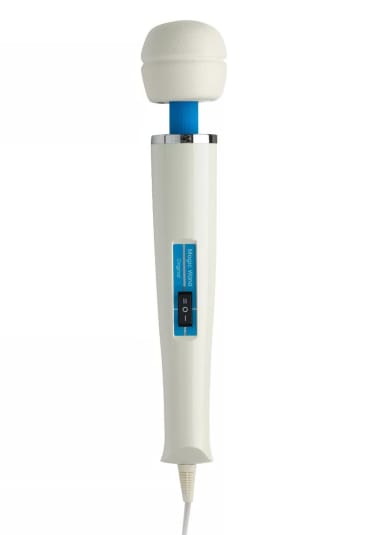
Magic Wand Original
The Magic Wand Original retains the spirit of its ancestry — powerful, direct, and unapologetic.
-
Legendary deep vibrations — ideal for focused clitoral stimulation
-
Plug-in power — consistent intensity without worrying about batteries
-
Cultural significance as a sex-positive icon
-
Great for solo play or partnered exploration
The Magic Wand’s prominence in sex-positive communities helped normalize vibrators as pleasure tools rather than taboo objects.
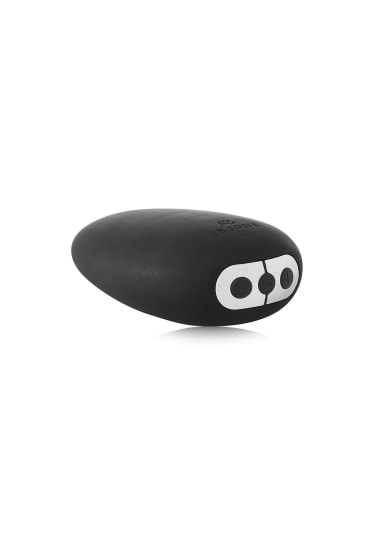
Je Joue Mimi Soft
Compact, intuitive, and designed for contemporary lifestyles, Mimi Softi represents how far vibrators have come from clunky, industrial predecessors.
-
Precision stimulation with adjustable patterns
-
Quiet yet capable — perfect for discreet use
-
Body-safe silicone and ergonomic design
-
Compatible with apps for customizable play
Mimii exemplifies how modern vibrators celebrate pleasure as personal empowerment — comfortable, intentional, and user-centered.
Womanizer Next
Innovators of pleasure technology, Womanizer devices brought air-pulse stimulation into mainstream awareness — letting users explore sensations beyond traditional vibration.
-
Gentle yet potent air-pulse stimulation
-
Smart Silence™ — only activates on contact
-
Engineered for sustained clitoral pleasure
-
Perfect for anyone who loves teasing sensations
Womanizer’s rise reflects how pleasure technologies have diversified, honoring varied bodies and response patterns.
Awaken Clitoral Gel
While not a vibrator, Awaken Clitoral Gel deserves mention for its role in enhancing sensation and easing first-time exploration.
-
Warming and tingling effects for heightened sensitivity
-
Smooth, body-safe formula
-
Great partner-assisted or solo use
-
Can be used with toys for enhanced experience
Awaken Gel reminds us that the story of pleasure isn’t just mechanical — it’s sensory, emotional, and expansive.
Feminism, Sex Work, and Cultural Commentary
The vibrator’s history isn’t just about machines — it’s about who gets to claim pleasure, and under what terms. For centuries, female desire was medicalized, dismissed, or policed. The shift from health “treatments” to sex-positive tools is itself a feminist arc.
The term hysteria was dropped from medical manuals in 1952, in part because it represented a medically sexist view that conflated female emotion and sexuality with pathology. Today, sex educators, therapists, and designers embrace pleasure not as a clinical remedy but as a fundamental aspect of human wellbeing.
The vibrator’s transformation — from dusty electrical cabinet to celebrated bedroom staple — mirrors broader cultural changes: expanded conversations about sexuality, increased understanding of diverse bodies, and the simple assertion that pleasure matters and belongs to everyone.
Sources & Further Reading
BBC Future – History of the Vibrator
The New York Times – History of Gynecology
Embryo Project Encyclopedia – Medical Vibrators and Hysteria